The Ballet de Catalogne (BNC) was created to fill a void that had existed in Catalonia for decades. The company represents and identifies Catalonia as a center of dance production with its own personality and ability to present the great dance classics of all time, while bringing new, avant-garde works to the stage.
The BNC is made up of internationally renowned dancers, teachers and choreographers, and offers an original artistic program featuring classical, neoclassical and contemporary works.
The company presents works by internationally renowned choreographers and some of the greatest Catalan choreographers in the history of dance. It opens doors to a new generation, creating synergies with emerging and established Catalan companies.
Dance is a unique form of artistic expression that touches us in a deep and powerful way. Choreographers are the creators who bring this art form to life, designing movements, gestures and interactions that inspire and amaze audiences.
Promoting and supporting choreographers is essential to the development of the art of dance. This allows us to showcase new talent and help them emerge in the art world. By offering them opportunities to perform and encouraging them to explore their own creativity, the growth of the art of dance is stimulated.
Choreographers need support to be able to create and share their work with a wider audience. Their work can be costly, demanding and sometimes difficult to carry out. By offering them the financial and logistical means to realize their projects, we can contribute to their success and give them the chance to shine.
Choreographers Elias Garcia and Leo Sorribes are involved in a wide variety of dance styles. They explore new techniques, new concepts and new ideas. Thanks to their work, we are offered a unique opportunity to see dance in a new light and broaden our artistic horizons, enriching our personal culture and our daily lives.
Choreography by Elias García and Larissa Lezhnina
Music: Léon Minkus
Duration: 120 minutes + intermission
32 dancers
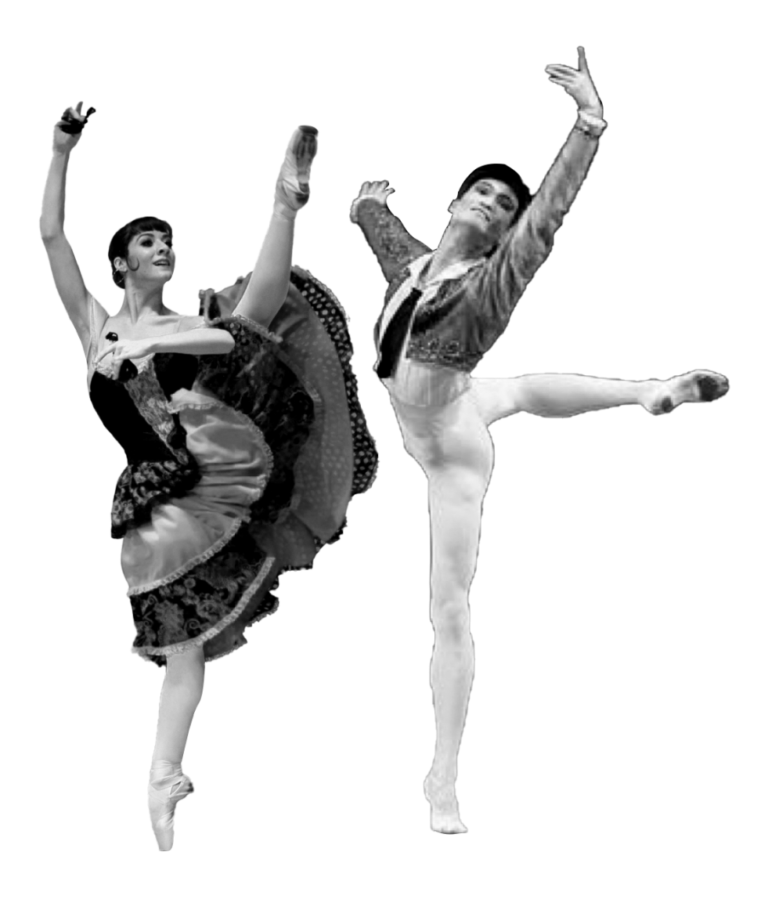
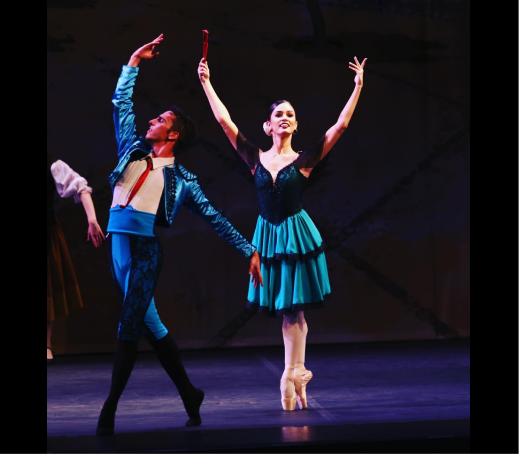
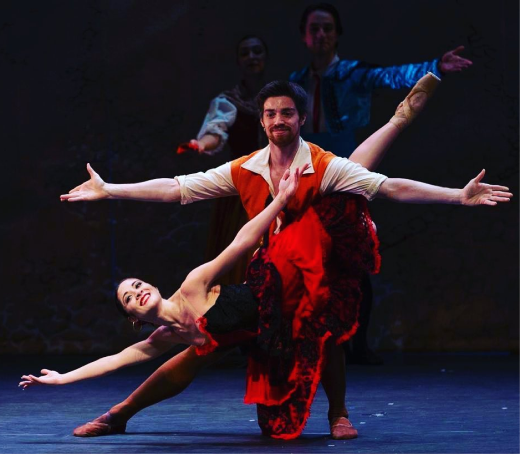
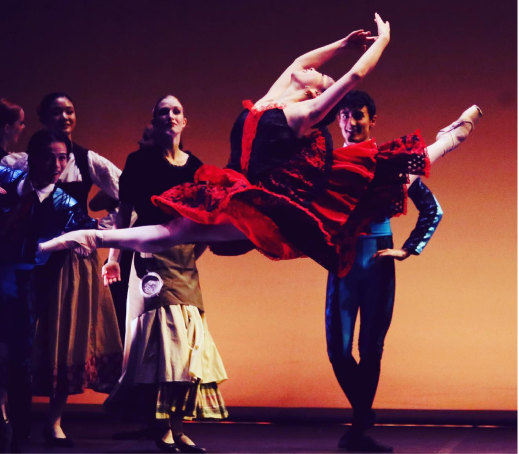
The ballet of Don Quixote is a timeless dance classic, telling the story of the knight Don Quixote and his quest for love and glory. In this version, viewers are taken on a vibrant, colorful journey through Spain. The choreography, by the famous Marius Petipa, is a blend of classical and Spanish styles, highlighting the grace and technique of the dancers. Beautifully designed costumes add a touch of beauty and glamour to the ensemble, making every scene a feast for the eyes.
The main characters of Don Quixote and Sancho Panza are interpreted with humor and sensitivity, creating a striking contrast with the ensembles of dancers who evoke the ardor and passion of Spain. The romantic duets between Kitri and Basilio are full of tenderness and passion, while the lively group dances add an infectious energy to every scene.
The ballet of Don Quixote is a breathtaking performance of classical dance that promises to delight the eyes and amaze the heart. The passionate, vibrant interpretation of this classic is proud and powerful. She invites the public to join her on this unforgettable adventure through Spain and the imagination.
Choreography by Leo Sorribes,
Elias Garcia and Vincent Gros
Duration: 70 mns without intermission
26 dancers
“Rebecca Storani was
Kitri is joyful and confident, with a precise technique and a convincing interpretation, accompanied by Istvan Simon, a regular in the role and a reliable accompanist…”
“Leo Sorribes and Elías García need no introduction, Ibstage has made them a household name in our country and we already know that under their command, any project undertaken will be done conscientiously and aspire to the highest quality. Elías, together with Larissa Lezhnina, the magnificent principal ballerina of the Mariinsky and HET National Ballet and associate artistic director of the company, have staged a Quixote that respects Petipa’s original ballet, but includes their own vision to make it more Spanish and adapt it to the company”.
“The characters of Don Quixote, Sancho Panza, Camacho or the Tabernero, Quiteria’s father, are not physically present in the ballet, but they are thanks to Joel Minguet’s participation. The actor blends into the audience, making them part of the story. His perfect diction, deep voice and total fusion with the character he embodies capture the audience’s attention and are sometimes surprising, especially in the central part, when he recounts the adventures of the ingenious nobleman faced with those windmills he takes for giants”.